

An Exploration into the History and Culture of Fujian Province
From March 28 to 31, 2026, 30 of our Secondary 4 and 5 students from the Economics and Business, Accounting and Financial Studies (BAFS) departments participated in the "Mainland Exchange Programme for Secondary School Students: An Exploration into the History and Culture of Fujian Province." organized by the Education Bureau, this four-day- three-night journey allowed students to step outside the classroom and experience firsthand the profound cultural heritage and vibrant economic vitality of Fujian Province.
Bridging Past and Present: Cultural Heritage and Preservation
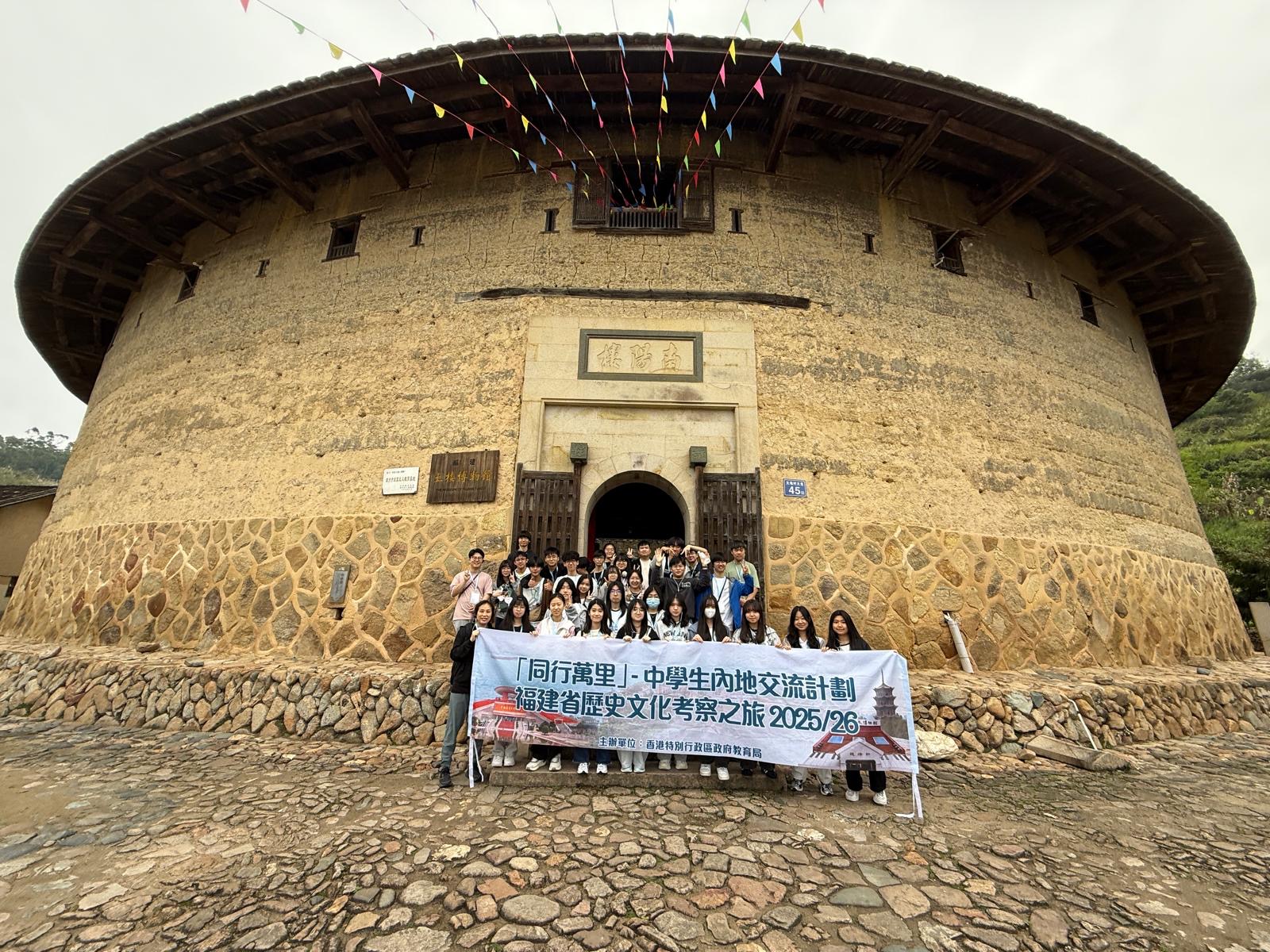
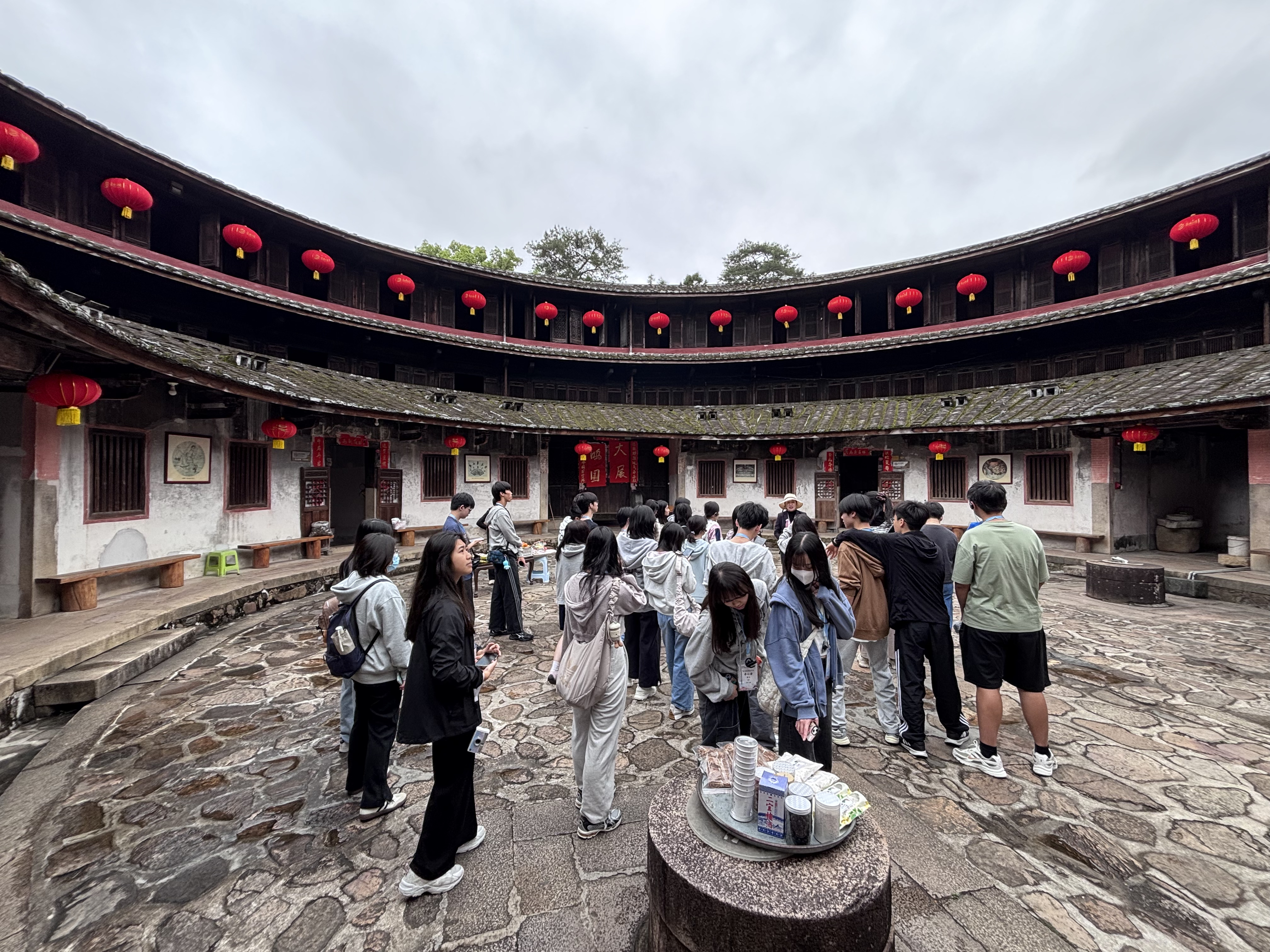
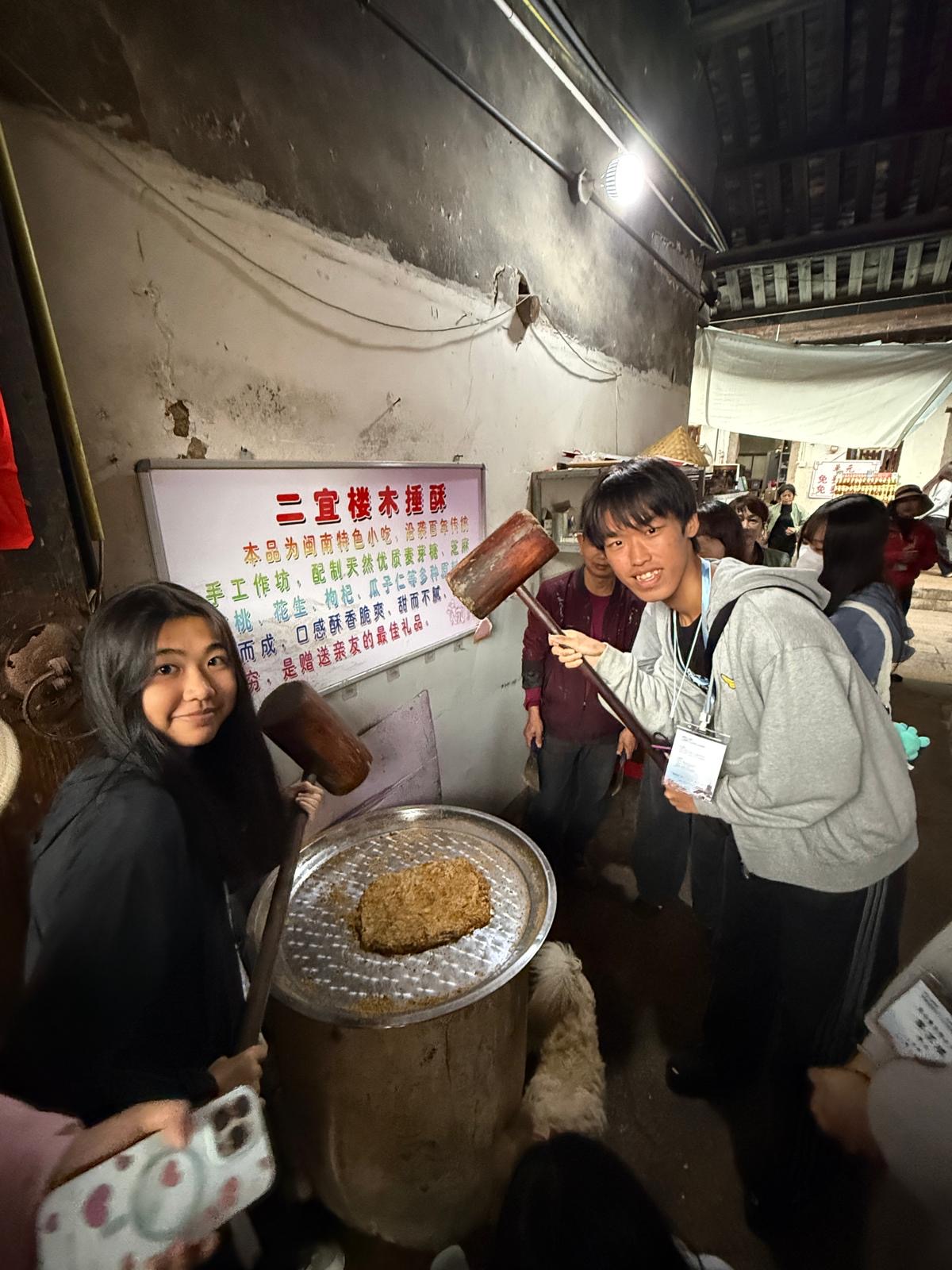
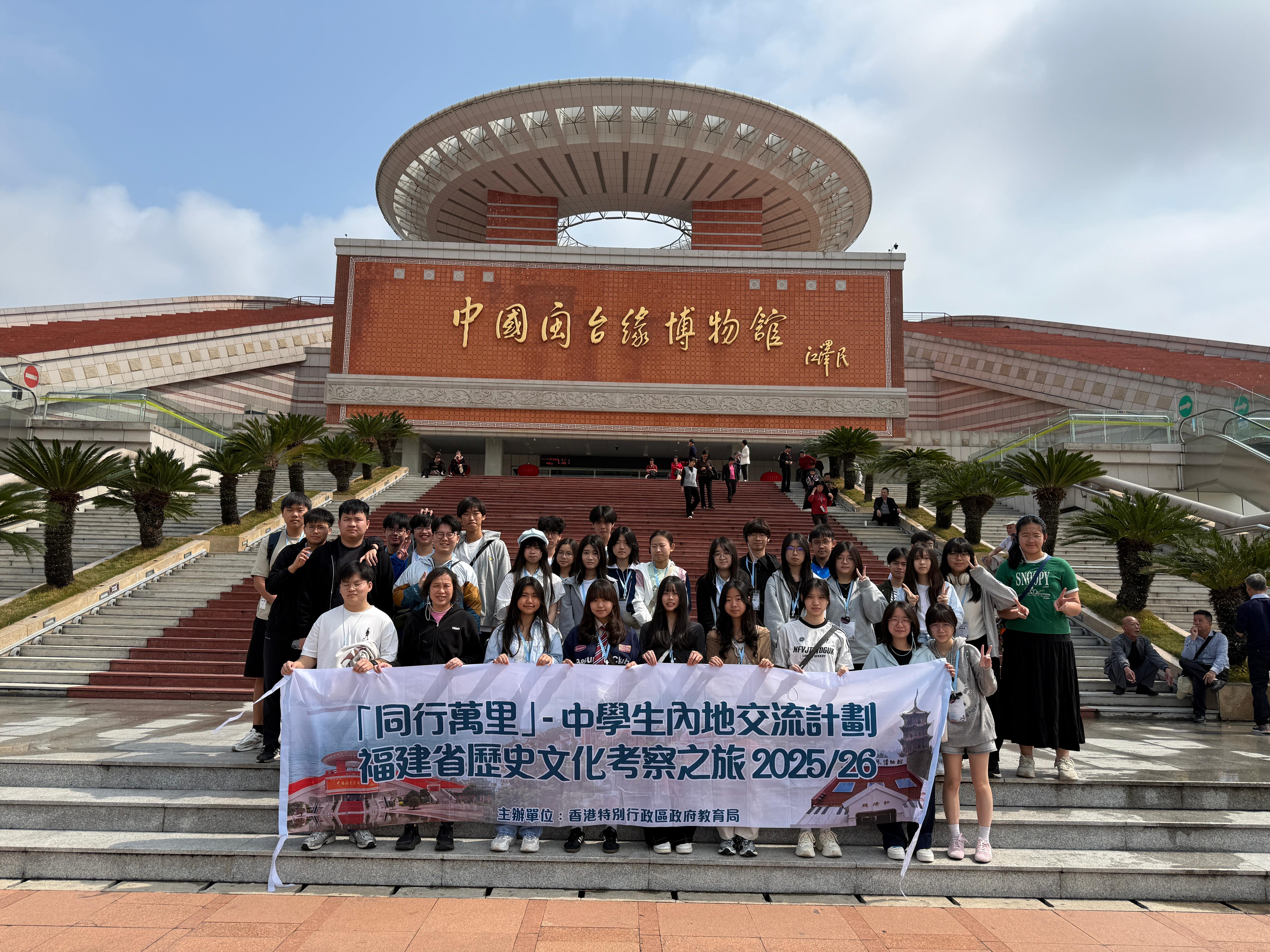
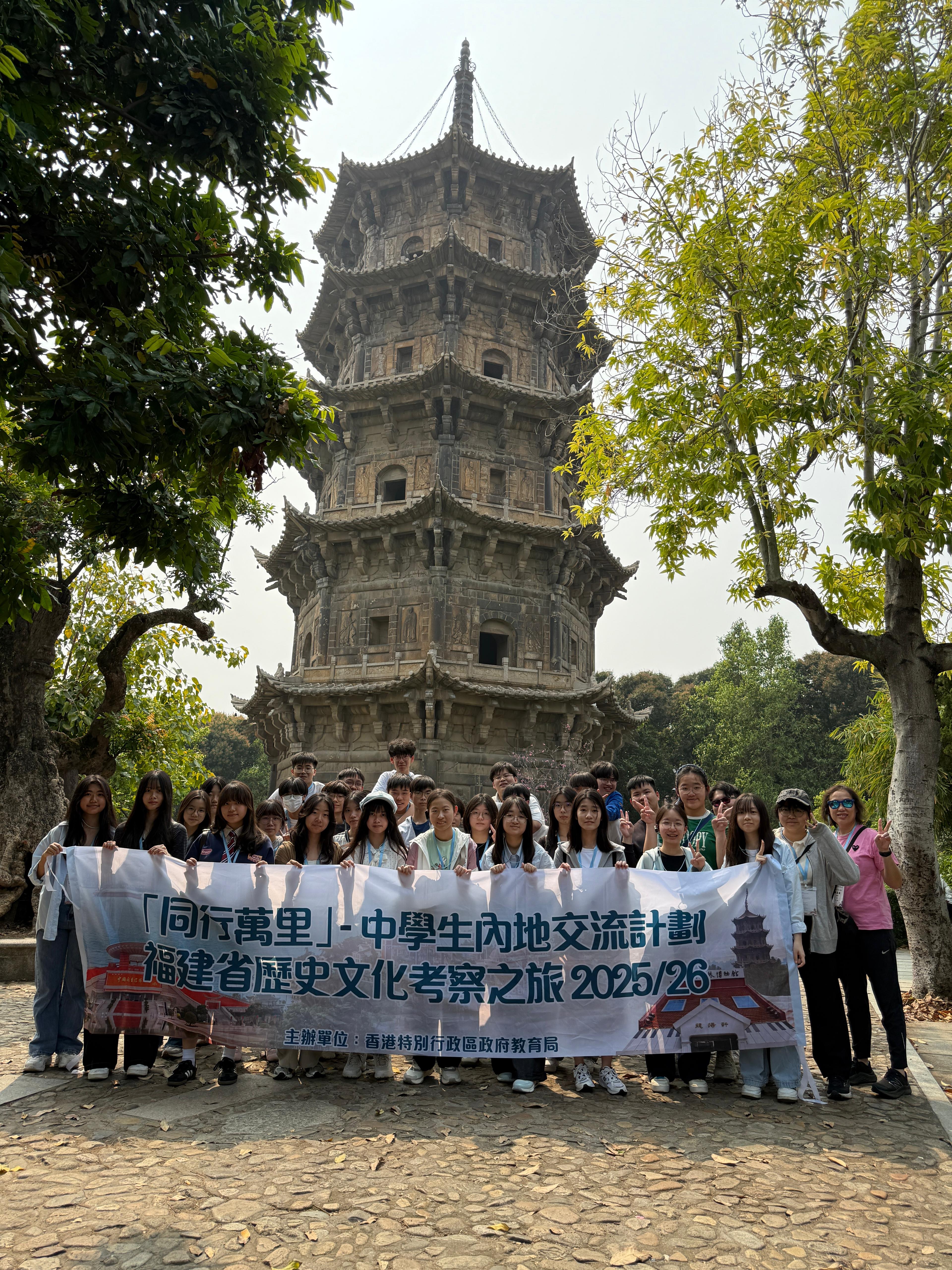
The itinerary began with a visit to the Fujian Tulou, a UNESCO World Heritage site. Students gained a deep understanding of the unique architectural features, defensive functions, and daily customs of traditional Hakka dwellings, while discussing how to preserve and pass on this precious culture in modern society. Subsequently, students visited the national-level China Minnan Museum to learn about the deep-rooted historical ties between Fujian and Taiwan. In Quanzhou, the group visited Kaiyuan Temple, the largest Buddhist temple in the province, and the historic landmark West Street. By admiring these majestic ancient structures, students recognized Quanzhou’s significant status as the "Starting Point of the Maritime Silk Road," thereby strengthening their cultural confidence.
Corporate Insights and Academic Exchange
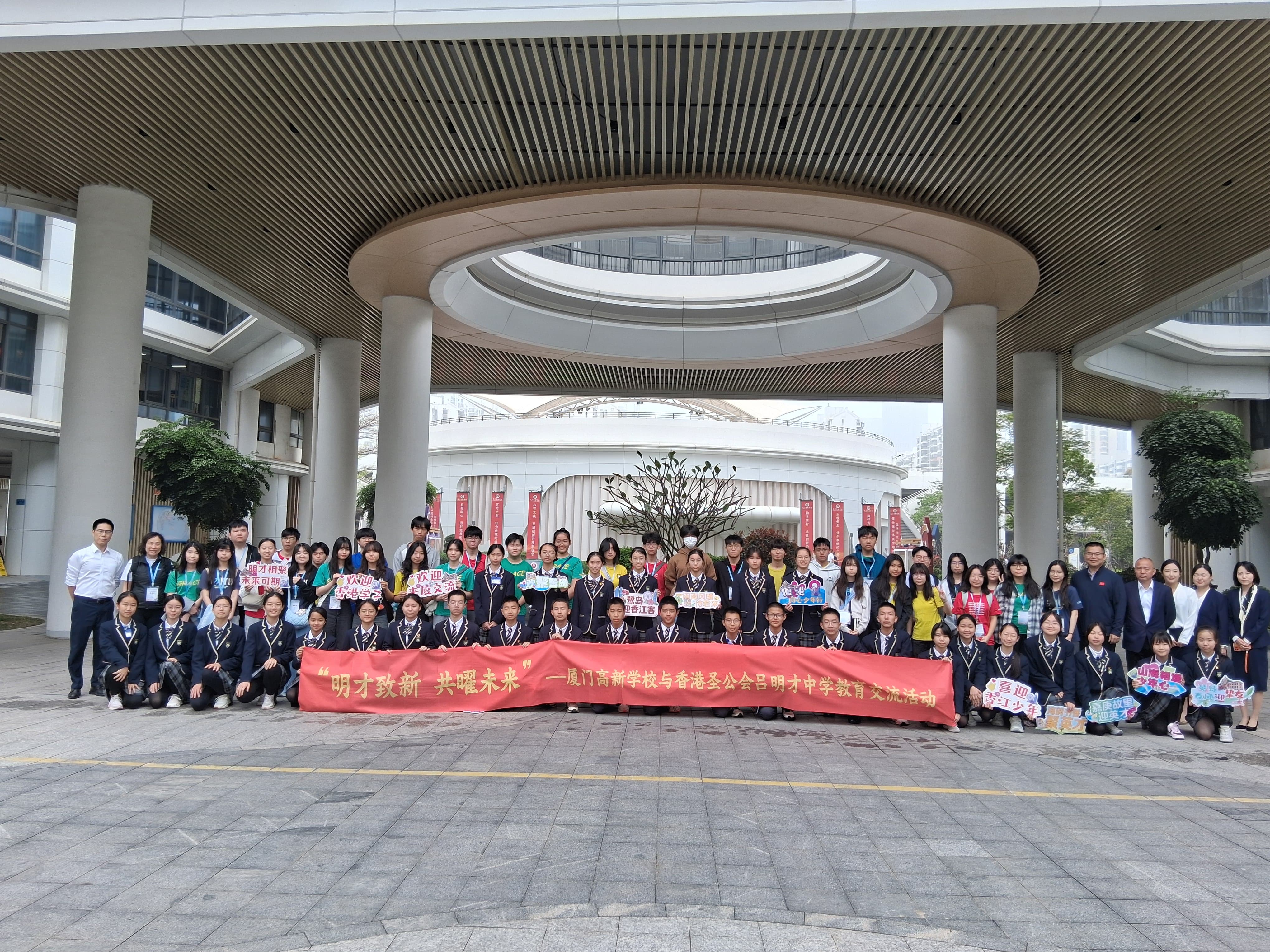
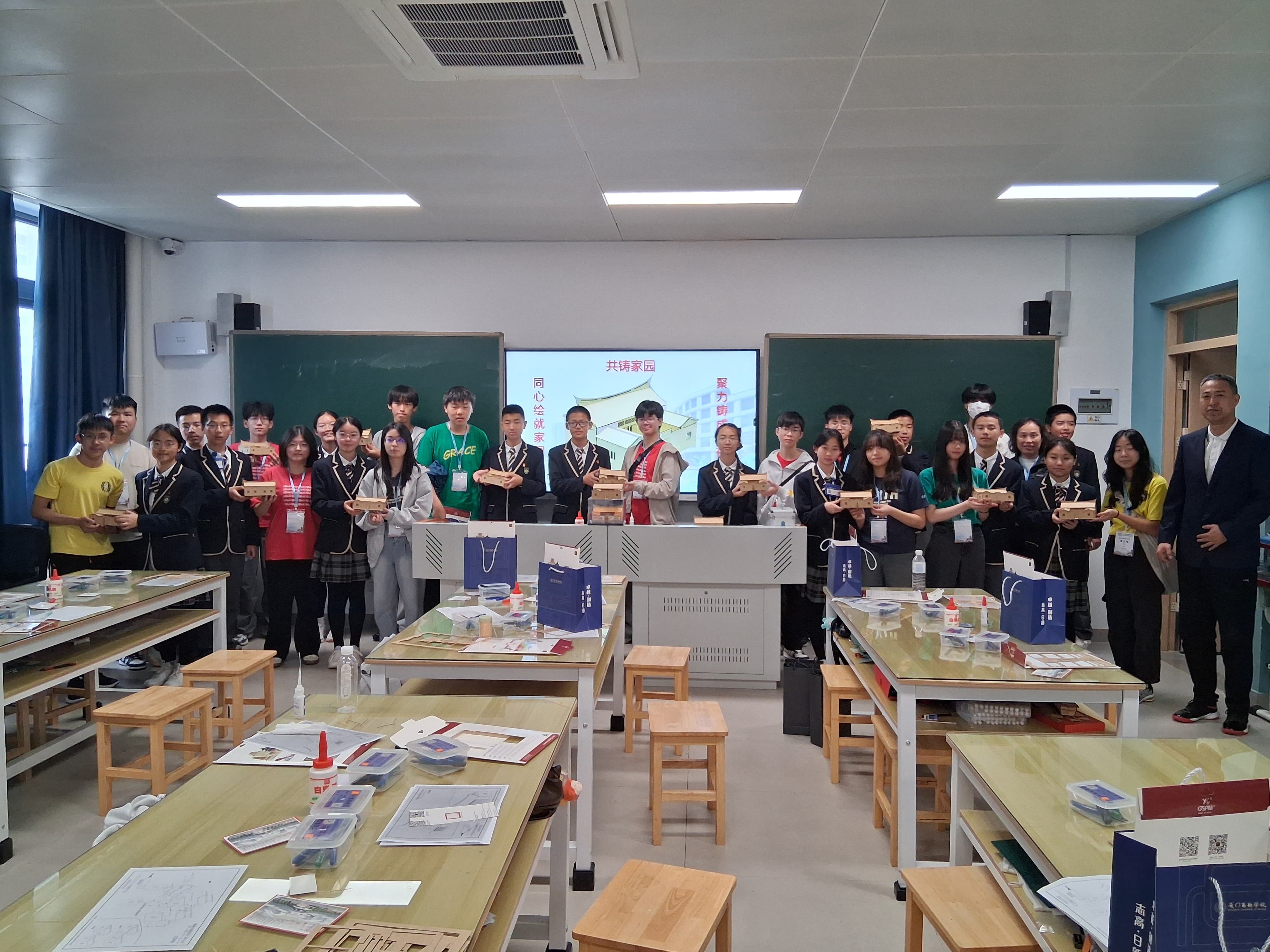
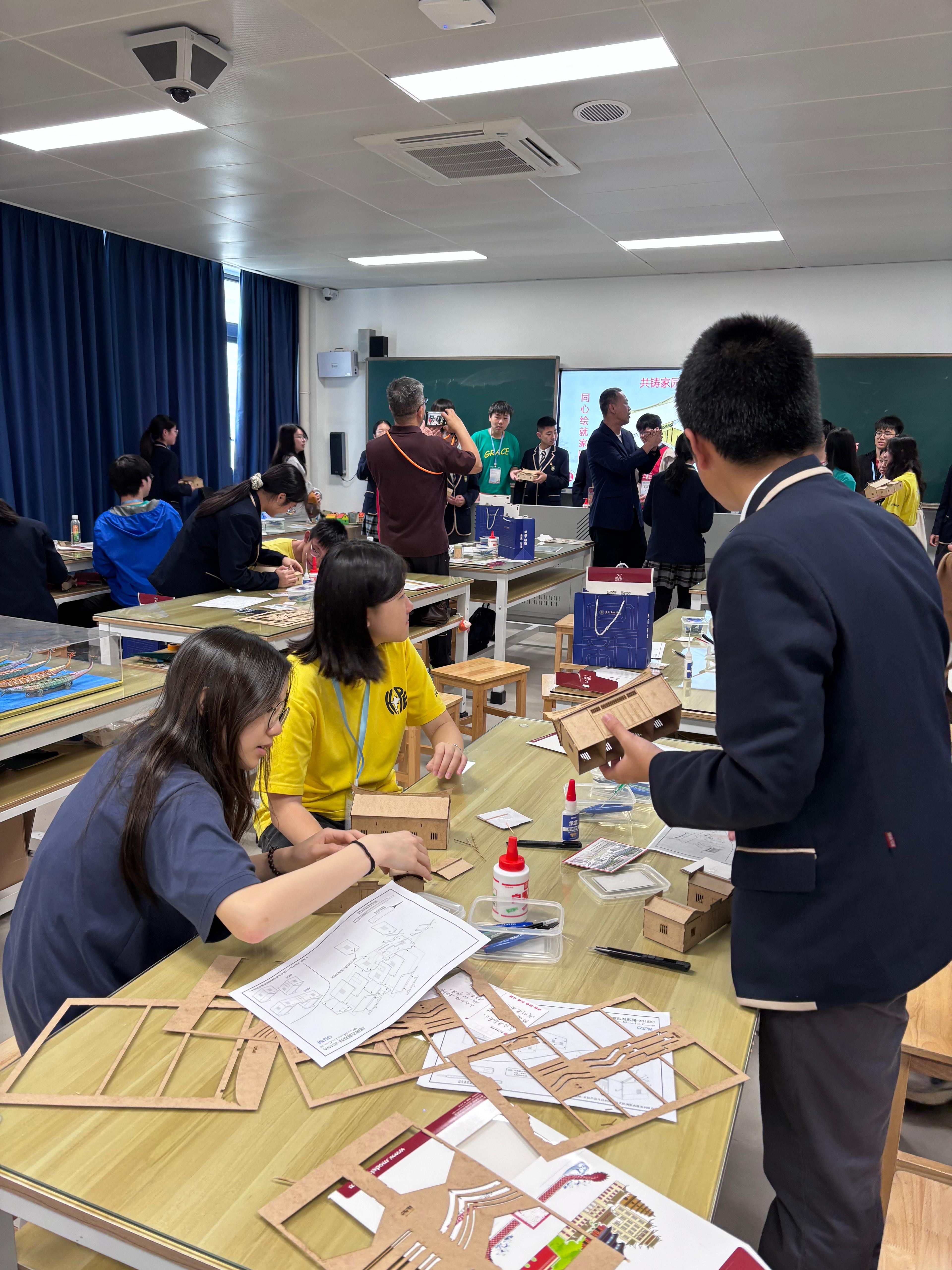
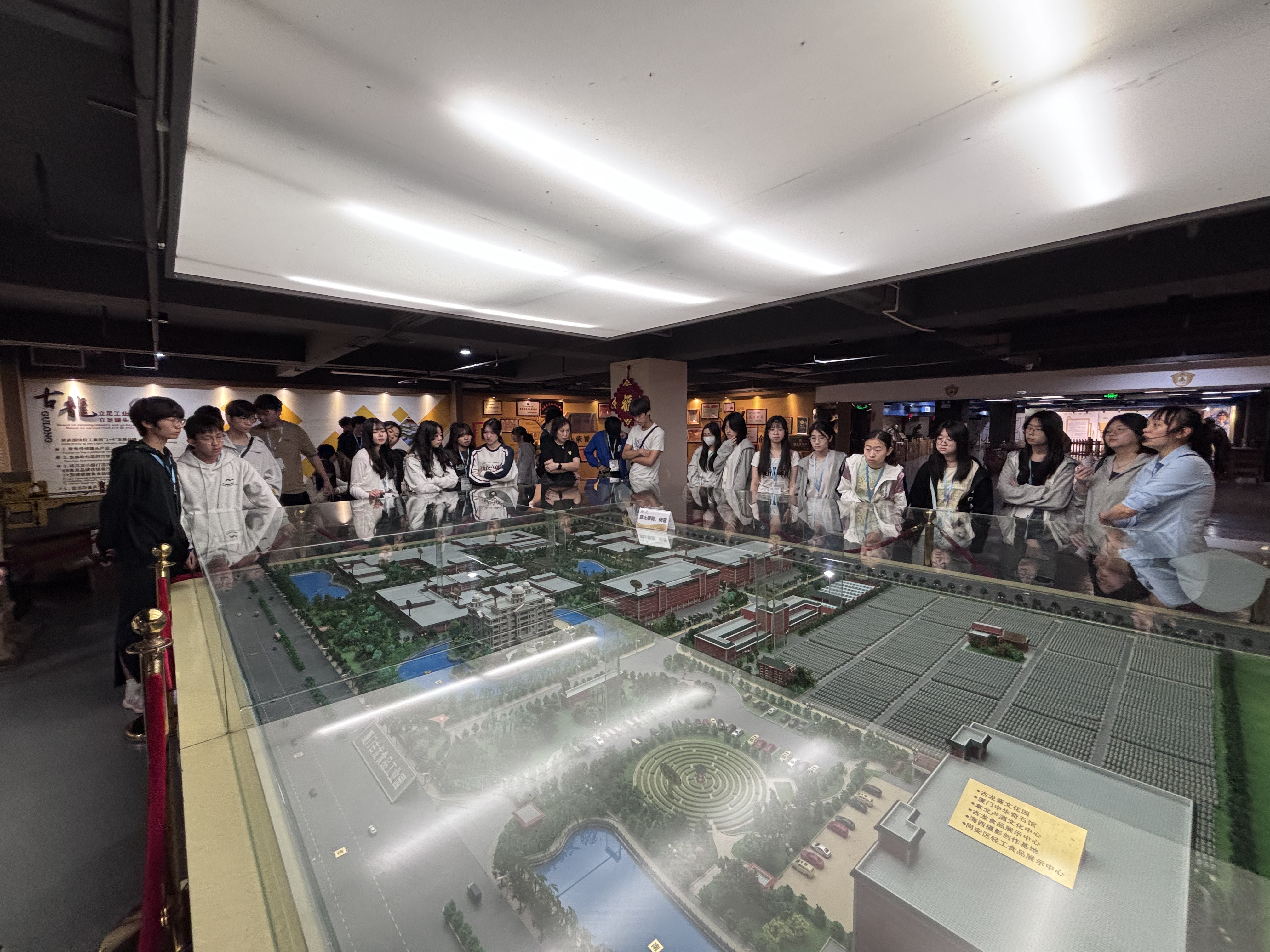
To help students grasp the latest developments in Mainland industries and education, the trip featured a series of diverse visit activities. Students visited the historic Gulong Soy Sauce Mill, focusing on the integration of traditional brewing craftsmanship and modern production technology. Through this visit, they learned how an enterprise achieves sustainable development in a highly competitive modern market through technological transformation. Furthermore, students visited Xiamen Gaoxin School, where they engaged in interactive exchanges with local teachers and students to observe the learning environment and educational system in the Mainland. The journey also included a tour of Gulangyu Island, where students admired the unique blend of Chinese and Western classical architecture. These field studies enabled students to connect classroom knowledge with real-world business operations and historical contexts, proving highly beneficial.
Reflection and Growth
On the final evening of the trip, a Plenary Sharing Session was held for students to summarize their insights and experiences. Upon returning to Hong Kong, participating students shared their valuable experiences and reflections during the school morning assembly, bringing the knowledge of business operations and cultural experiences gained from the field study back to the school community.

 Back
Back